
CAN YOU ADD NEW INSULATION ON TOP OF OLD INSULATION?
Updated: Sep 25
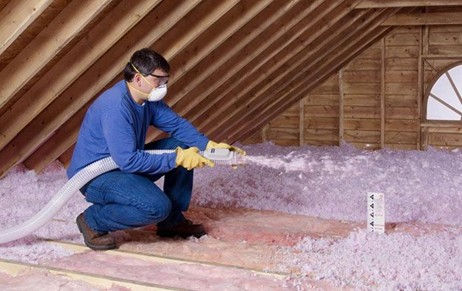
In many residential properties, insulation levels may fall below current recommendations, making additional layers a practical consideration. Warm Home Insulation provides attic insulation services in Winnipeg, and this blog outlines whether adding new insulation over existing material is appropriate. However, several factors must be assessed before proceeding.
When Adding Insulation over Existing Material Is Appropriate
Adding new insulation on top of old insulation is generally acceptable when the existing material is in stable condition. The following conditions are typically required:
● Dry insulation: Existing insulation must be free from moisture, as damp material can reduce thermal performance and contribute to structural issues.
● No visible contamination: Insulation should not contain mould, pest debris, or strong odours.
● Even distribution: The current layer should be relatively level to allow consistent coverage when new insulation is applied.
● No air sealing issues: Gaps around vents, wiring, or attic openings should be sealed before adding new insulation to prevent heat loss and air leakage.
In attic insulation projects, these conditions are important due to seasonal temperature changes that can affect moisture levels.
Situations Where Removal Is Necessary
There are cases where adding new insulation is not recommended. Removal may be required under the following circumstances:
● Mould growth: Contaminated insulation can impact indoor air quality.
● Pest activity: Rodents or insects may leave behind waste that compromises the material.
● Compressed insulation: Flattened insulation loses its ability to trap air, which reduces its thermal resistance.
● Outdated or hazardous materials: Older insulation, such as vermiculite, may pose health risks and should be assessed before any additional layers are installed.
In such situations, addressing the underlying issue before installing new insulation is essential.
Insulation Suitable for Layering
Certain insulation materials are commonly used when adding a new layer over existing insulation. Blown-in insulation is recommended. Loose-fill materials such as cellulose or fibreglass can be added to improve coverage and fill gaps. Compatibility between materials is important. The new layer should not restrict airflow or compress the existing insulation, as this may reduce overall effectiveness.
Importance of Ventilation and Airflow
Proper attic ventilation is necessary when increasing insulation levels. Ventilation systems allow moisture to escape and help regulate temperature differences between indoor and outdoor environments.
When installing additional attic insulation, homeowners in Winnipeg should ensure that vents, such as soffit and ridge vents, remain unobstructed. Baffles are often used to maintain airflow pathways and prevent insulation from blocking ventilation openings.
Final Considerations for Effective Insulation Upgrades
Warm Home Insulation notes that attic insulation upgrades can involve adding new insulation over existing layers when conditions are suitable. Evaluating moisture levels, material condition, and ventilation systems is necessary before proceeding. When these factors are addressed, additional insulation can help maintain stable indoor conditions and improve overall energy performance. Contact us today for reliable attic insulation Winnipeg services to plan your home improvements.